Choosing the right sweetener has become a pressing concern for many people aiming to live a healthier lifestyle. With natural alternatives to refined sugar gaining popularity, the debate between Sucanat vs Coconut Sugar is more relevant than ever. Consumers are searching for sweeteners that not only taste good but also contribute positively to their health. However, with so much information floating around online, it’s easy to get lost in biased claims or confusing nutrition jargon.
At Tropical Coco Indonesia, we’ve built our name as a trusted distributor of high-quality, organic coconut sugar and oil sourced straight from the heart of Indonesia. We understand the importance of clear, honest information. That’s why in this article, we’ll dive deep into the real differences between Sucanat and Coconut Sugar. Whether you’re a health-conscious consumer, a baker, or just curious, keep reading to find out which sweetener truly fits your needs.
Sucanat, short for “Sugar Cane Natural”, is a less refined form of cane sugar. Unlike white or brown sugar that goes through heavy processing, Sucanat is simply dehydrated cane juice. It retains much of its natural molasses, which gives it a distinct brown color and a rich, slightly caramel-like flavor.
This sweetener is often marketed as a more wholesome alternative to traditional sugar because it keeps more of the original nutrients from sugarcane, such as calcium, potassium, and iron. However, it’s still essentially sugar, and its effects on blood glucose levels are similar to other cane-based sweeteners. That said, for those looking to avoid highly refined ingredients, Sucanat can be a step in the right direction.
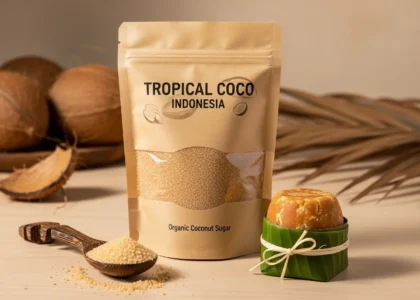
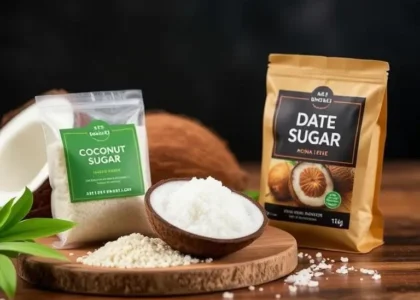
Coconut sugar, also called coconut palm sugar, is derived from the sap of the coconut tree flower buds. Unlike cane-based sugars, coconut sugar is not just another version of white sugar in disguise. It’s a natural sweetener made through a simple process of collecting sap, boiling it to evaporate water, and granulating the result.
The end product is a golden-brown sugar with a subtly sweet, caramel flavor. What sets coconut sugar apart is its low glycemic index, its natural content of minerals like zinc, iron, and potassium, and its presence of inulin, a type of fiber that supports gut health. It’s a favorite among those pursuing clean eating, low-GI diets, or simply seeking natural alternatives to refined sugar.
When it comes to choosing between Sucanat and Coconut Sugar, there are several key factors to consider. Here’s how they compare:
Sucanat comes from sugarcane and undergoes minimal processing — it’s basically dried cane juice. Coconut sugar, on the other hand, is made from the sap of coconut palm blossoms and is also minimally processed.
Both are considered more natural than refined sugars, but coconut sugar involves no bone char filtration, making it a popular choice for vegans and those seeking environmentally-friendly options.
Coconut sugar contains small amounts of nutrients like iron, zinc, calcium, and potassium, and also boasts inulin, which may help moderate blood sugar spikes. Sucanat does retain molasses, which includes some minerals, but it lacks fiber and has a higher glycemic index.
While neither sweetener is a miracle food, coconut sugar offers slightly more functional nutrition and digestive support than Sucanat.
Nutritional Profile
| Nutrient | Sucanat | Coconut Sugar |
|---|---|---|
| Calories | ~15 per tsp | ~15 per tsp |
| Minerals | Contains iron, calcium (from molasses) | Contains potassium, magnesium (trace amounts) |
| Glycemic Index | ~55 | ~35–54 |
Note: Both are still sugars—consume in moderation!
The glycemic index (GI) is crucial for people watching their blood sugar. Sucanat has a higher GI, around 55-65, similar to other cane sugars. Coconut sugar, however, has a lower GI of around 35-45, which means it causes a slower rise in blood glucose.
For people with insulin resistance, prediabetes, or those following a low-GI diet, coconut sugar is often the preferred option.
Sucanat has a bold, molasses-heavy taste, which works well in recipes like gingerbread or molasses cookies. Coconut sugar has a milder, caramel-like sweetness that blends smoothly into most dishes without overpowering the other ingredients.
For everyday use in coffee, oatmeal, or baking, coconut sugar tends to be more versatile in flavor.
Both Sucanat and coconut sugar can be used as 1:1 replacements for white or brown sugar. However, the flavor of Sucanat may stand out more, so it’s best used in recipes where its molasses notes are a good match.
Coconut sugar dissolves well and caramelizes beautifully, making it an excellent option for sauces, desserts, and even savory glazes.
READ ALSO: Coconut Sugar vs. Cane Sugar
If you’re looking for a sweetener that does more than just satisfy your taste buds, coconut sugar edges ahead. Here’s why more people are making the switch:
Coconut sugar’s low glycemic index makes it gentler on blood sugar levels, which can be helpful for people managing diabetes or insulin sensitivity.
Thanks to its trace minerals and inulin content, coconut sugar supports better metabolism and gut health than most other natural sugars, including Sucanat.
Coconut palms require less water than sugarcane and produce more sugar per acre. Supporting coconut sugar also supports sustainable farming communities across Indonesia.
Coconut sugar is free from bone char, chemical bleaching, and synthetic additives, making it ideal for clean-eating lifestyles and plant-based diets.
Although coconut sugar seems to win on most fronts, Sucanat can still be a good choice in specific situations:
If you’re making baked goods that benefit from a deep, earthy sweetness, Sucanat adds a distinct punch that coconut sugar may lack.
For those who still prefer the familiar structure and taste of cane sugar but want a less processed version, Sucanat is a solid middle ground.
While both Sucanat and Coconut Sugar are less refined, more natural alternatives to white sugar, their differences matter depending on your health goals and preferences. Coconut sugar is lower on the glycemic index, offers more nutrients, and is more versatile in flavor, making it the better choice for everyday use and health-conscious consumers.
At Tropical Coco Indonesia, we proudly supply premium-grade, organic coconut sugar sourced from local farmers who use traditional methods to preserve both flavor and nutrition. If you’re seeking a natural, eco-conscious, and delicious sweetener — coconut sugar is the way to go.
In the debate of Sucanat vs Coconut Sugar, the winner depends on what you’re looking for — but for most people focused on nutrition, sustainability, and flavor, coconut sugar comes out ahead. With its impressive benefits and gentle impact on blood sugar, it’s a smart addition to a modern, health-focused pantry.
Want to try real, organic, and ethically sourced coconut sugar? Reach out to us at Tropical Coco Indonesia — your trusted partner in premium Indonesian coconut products.