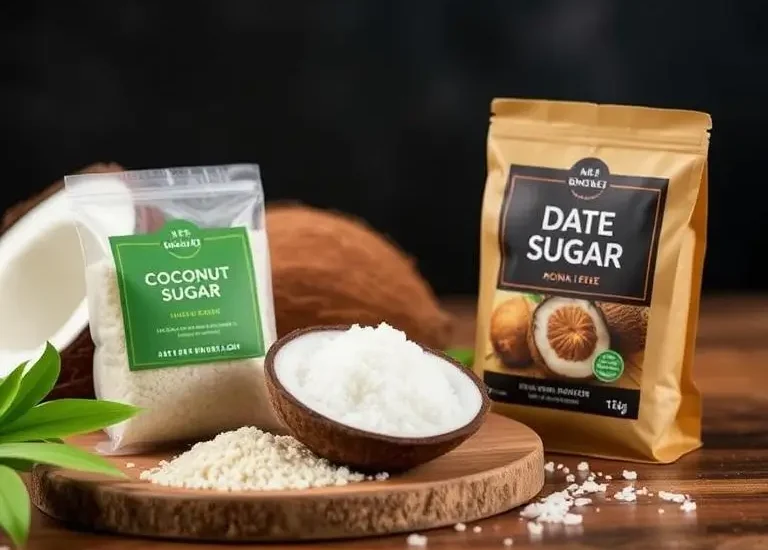
The quest for healthier sugar alternatives has left many consumers torn between popular options like coconut sugar and date sugar. Both touted as natural, nutrient-rich substitutes, they promise lower glycemic impacts and sustainable origins. Yet, confusion persists: Which one aligns better with dietary goals? Does one outperform the other in flavor or versatility?
This article cuts through the noise, offering a clear, evidence-based comparison of coconut sugar and date sugar. We’ll dissect their nutritional profiles, health benefits, culinary uses, and environmental footprints to help you make an informed choice. Keep reading to uncover which sweetener deserves a spot in your pantry.
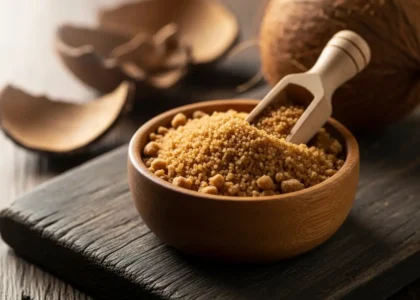
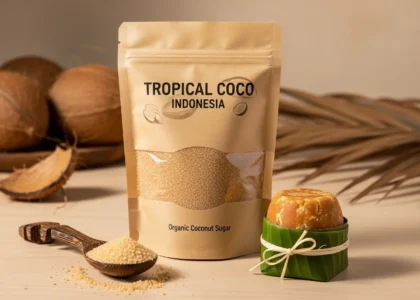
Coconut sugar, derived from the sap of coconut palm blossoms, is a staple in Southeast Asian cuisines. The sap is boiled until it crystallizes, resulting in granulated sugar with a caramel-like hue. Its production supports small-scale farmers, often using traditional methods that preserve tree health.
Date sugar, on the other hand, is made by dehydrating and grinding whole dates into a coarse, nutrient-dense powder. Unlike refined sugars, it retains the fruit’s natural fiber and minerals. Primarily sourced from Middle Eastern and North African regions, date sugar offers a fruity sweetness reminiscent of raisins or molasses.
Coconut sugar contains trace amounts of iron, zinc, and potassium, alongside inulin—a prebiotic fiber that may slow glucose absorption. A teaspoon provides 15 calories and 4 grams of carbohydrates, similar to table sugar but with a marginally lower glycemic index (GI) of 54 compared to table sugar’s 60.
Date sugar packs a stronger nutritional punch, offering fiber, antioxidants, and minerals like magnesium and calcium. Its GI is lower, around 45–50, thanks to the fiber content. However, it’s calorie-dense at 20 calories per teaspoon, making portion control key for calorie-conscious users.
Coconut sugar’s inulin content supports gut health by promoting beneficial bacteria growth. Its lower GI also helps stabilize blood sugar spikes, making it a preferable option for those managing diabetes. However, moderation remains crucial, as its calorie content mirrors regular sugar.
Date sugar shines with antioxidants like flavonoids and phenolic acids, which combat inflammation and oxidative stress. Its high fiber content aids digestion and prolongs satiety. Studies suggest date consumption may improve heart health, though research specific to date sugar is limited.
Coconut sugar boasts a butterscotch-like flavor, ideal for baking, coffee, or savory dishes like curries. It dissolves easily, making it a seamless substitute in recipes calling for brown sugar. However, it can impart a subtle coconut aroma, which may not suit all dishes.
Date sugar’s rich, fruity taste enhances smoothies, oatmeal, and desserts like energy bars. Its grainy texture doesn’t dissolve well in liquids, limiting its use in beverages. For baking, pair it with moist ingredients to avoid a gritty consistency.
Coconut palm trees thrive in diverse ecosystems, requiring minimal water and pesticides. Their cultivation supports agroforestry, promoting biodiversity. However, rising demand risks overharvesting, stressing local ecosystems in producer regions like Indonesia and the Philippines.
Date palm farming, while water-intensive, is crucial to arid regions’ economies. Innovations in drip irrigation have reduced water waste, but large-scale production in areas like California’s Coachella Valley raises concerns over resource depletion.
*You also need to know White Sugar vs. Coconut Sugar
If blood sugar management is a priority, date sugar’s lower GI and fiber make it the better choice. For gut health, coconut sugar’s inulin offers added benefits. Always consult a nutritionist for personalized advice.
Opt for coconut sugar if you prefer a neutral caramel flavor. Choose date sugar for a fruity, complex sweetness that enhances desserts and breakfast dishes.
Coconut sugar is widely available online and in health stores, typically priced at 5–5–8 per pound. Date sugar is less common and costs slightly more (7–7–10 per pound), but bulk purchases can reduce expenses.
Coconut sugar and date sugar each bring unique strengths to the table, from coconut sugar’s gut-friendly inulin to date sugar’s antioxidant richness. Your choice hinges on health priorities, taste preferences, and environmental values. Experiment with both to discover which natural sweetener elevates your meals while aligning with your wellness goals.