Natural sweeteners have become a go-to choice for many seeking healthier alternatives to refined white sugar. Among the most popular are coconut sugar and jaggery, both celebrated for their rich flavors and minimal processing.
But how do they compare in terms of nutrition, taste, and suitability for specific health needs?
Let’s explore their origins, nutritional profiles, and practical uses to help you decide which sweetener fits your lifestyle.
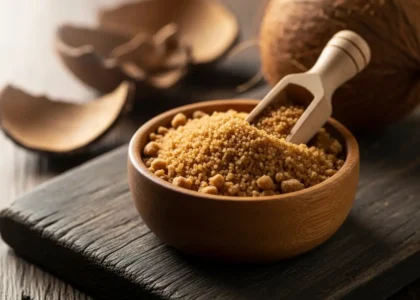
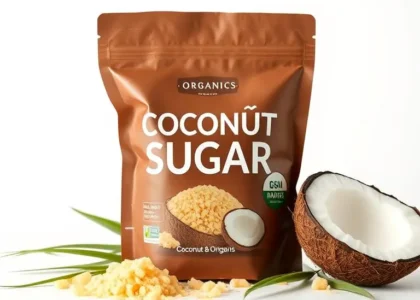
Coconut sugar comes from the sap of coconut palm blossoms. The process is simple—sap is collected, heated to evaporate moisture, and then crystallized into fine granules. This minimal processing helps retain some of the sap’s natural nutrients, making it a favorite among health-conscious consumers.
Jaggery, on the other hand, is a traditional sweetener widely used in South Asia, Africa, and parts of Latin America. It’s typically made by boiling sugarcane juice or palm sap until it thickens and solidifies into blocks or granules. Depending on the source, jaggery can vary in color from golden to dark brown, with a texture that’s often coarse and grainy.
Both sweeteners are less refined than white sugar, but their distinct sources—coconut palm for coconut sugar and sugarcane or various palms for jaggery—shape their unique characteristics.
When choosing a sweetener, understanding its nutritional impact is key. Both coconut sugar and jaggery offer small amounts of minerals and vitamins, but neither is a significant source of nutrients in a typical serving size. Here’s a breakdown of their nutritional profiles:
| Aspect | Coconut Sugar | Jaggery |
|---|---|---|
| Calories (per 100g) | ~375 kcal | ~383 kcal |
| Main Nutrients | Iron, zinc, potassium, inulin (prebiotic fiber) | Iron, magnesium, calcium, potassium |
| Glycemic Index (GI) | 35–54 | 50–70 (sugarcane); 65–93 (palm) |
| Antioxidants | Yes, minimal (polyphenols) | Yes, minimal |
Both sweeteners have similar calorie counts, around 375–383 kcal per 100 grams, comparable to refined sugar. Their mineral content, like iron and potassium, is present in trace amounts, meaning you’d need to consume large quantities to gain significant nutritional benefits, which isn’t advisable due to their high sugar content.
The glycemic index (GI) is where they differ most. Coconut sugar typically has a lower GI (35–54), causing a slower rise in blood sugar compared to jaggery’s moderate to high GI (50–93, depending on the source). This makes coconut sugar a better option for those monitoring blood glucose levels, though individual responses can vary based on diet and metabolism.
Flavor plays a big role in choosing a sweetener. Coconut sugar has a mild, caramel-like taste with a subtle coconut undertone, similar to brown sugar. Its granulated form makes it easy to measure and use as a one-to-one substitute for white sugar in baking, coffee, smoothies, or sauces. It blends seamlessly without overpowering other ingredients, making it versatile for both sweet and savory dishes.
Jaggery, by contrast, offers a richer, molasses-like flavor with earthy, rustic notes. Its bold taste shines in traditional dishes, such as Indian sweets (like laddoos or halwa), curries, or teas. Available in solid blocks or granules, jaggery often needs grating or crushing, which can add a creamy texture to recipes. Its strong flavor can dominate delicate dishes, so it’s best suited for recipes where its depth enhances the overall taste.
For those managing specific health goals, the choice between coconut sugar and jaggery depends on several factors:
Coconut sugar’s lower GI makes it a preferable choice for people with diabetes or those aiming to stabilize blood glucose levels. Its inulin content, a prebiotic fiber, may also support gut health. However, moderation is crucial, as it’s still a sugar.
Jaggery, with its higher GI, can cause quicker blood sugar spikes, especially in sugarcane-based varieties. A 2021 study found no significant difference in glycemic response between coconut jaggery and cane sugar in healthy subjects, suggesting jaggery may not be ideal for diabetes management without careful monitoring.
Neither sweetener is a magic bullet for weight loss, as both are calorie-dense. However, coconut sugar’s lower GI may help reduce cravings by providing a steadier energy release, potentially aiding weight management when used sparingly.
Jaggery’s slightly higher calorie content and GI make it less ideal, though its nutrients like iron can support overall health if consumed in small amounts.
Jaggery has a traditional reputation as a digestive aid in some cultures, often consumed after meals to stimulate digestion.
Coconut sugar’s inulin may also promote gut health by supporting beneficial bacteria. Both can be part of a balanced diet, but overconsumption can negate any benefits due to their high sugar content.
Coconut sugar is often considered more sustainable. Coconut palms require less water and can produce sap for decades without harming the tree.
Jaggery production, particularly from sugarcane, can involve higher water usage and more intensive farming practices, though small-scale, organic jaggery is a more eco-friendly option.
Choosing between coconut sugar and jaggery depends on your priorities:
Both are natural sweeteners that offer small nutritional benefits over refined sugar, but they’re still high in calories and carbs. Moderation is essential, regardless of which you choose.
The decision between coconut sugar and jaggery comes down to your health goals and culinary needs. If you’re looking for a sweetener with a lower glycemic impact and versatile flavor for everyday use, coconut sugar is likely the better choice. Its mild taste and granulated texture make it easy to incorporate into various recipes, from baked goods to beverages. It’s also a safer bet for those managing blood sugar or seeking a sustainable option.
Jaggery, with its robust flavor and cultural significance, is perfect for traditional recipes or when you want a deeper, caramelized taste. Its nutrient profile, particularly its iron content, can be beneficial for those with deficiencies, but its higher GI calls for caution, especially for diabetes management.
Ultimately, both are sugars and should be used in moderation. Pairing them with a balanced diet, regular exercise, and mindful portion control is key to maximizing their benefits without compromising health.
Coconut sugar and jaggery offer natural alternatives to refined sugar, each with unique flavors and minor nutritional perks. Coconut sugar stands out for its lower glycemic index and versatility, while jaggery shines in traditional dishes and provides a nutrient boost.
By understanding their differences, you can choose the sweetener that best aligns with your taste preferences and health needs. Always consult a healthcare professional if you’re managing conditions like diabetes to ensure your choices support your goals.