In recent years, the global shift toward natural sweeteners has sparked debates about the merits of coconut sugar versus cane sugar. As consumers increasingly prioritize health-conscious and environmentally sustainable choices, these two sweeteners have emerged as popular alternatives to refined white sugar. A 2023 report by the International Food Information Council highlighted that 65% of shoppers now check labels for “natural” or “low-glycemic” sweeteners, driving demand for products like coconut sugar and minimally processed cane sugar.
Coconut sugar, derived from the sap of coconut palm trees, and cane sugar, extracted from sugarcane plants, both offer distinct nutritional profiles and environmental footprints. While cane sugar has dominated global markets for centuries, coconut sugar’s rise in popularity—particularly among vegan, paleo, and keto communities—has prompted questions about its health benefits, culinary versatility, and sustainability.
This article examines the key differences between these sweeteners, drawing on scientific research and agricultural data to help consumers make informed decisions.
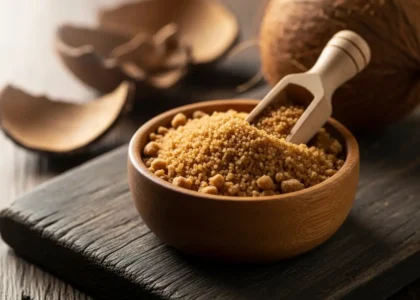
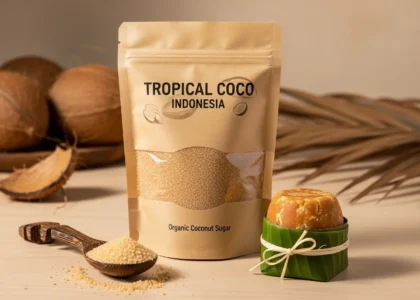
Coconut sugar is produced by harvesting the sap from the flower buds of coconut palm trees (primarily Cocos nucifera). The sap is heated to evaporate moisture, resulting in granulated crystals or blocks with a caramel-like flavor.
This traditional sweetener has been used for centuries in Southeast Asian cuisines, particularly in Indonesia and the Philippines, which account for over 70% of global coconut sugar production, according to the Philippine Coconut Authority.
Nutritionally, coconut sugar retains trace amounts of minerals like iron, zinc, and potassium due to its minimal processing. Unlike refined cane sugar, it also contains inulin, a type of dietary fiber that may slow glucose absorption. However, experts caution that these nutrients are present in small quantities, meaning coconut sugar should not be considered a significant source of vitamins or minerals.
Cane sugar is derived from the sugarcane plant (Saccharum officinarum), a tall grass cultivated extensively in tropical regions like Brazil, India, and Thailand. The juice extracted from crushed sugarcane stalks undergoes refining processes to produce white granulated sugar, brown sugar, or raw varieties like turbinado. The World Health Organization notes that sugarcane farming supports over 100 million livelihoods worldwide, underscoring its economic importance.
While highly processed cane sugar is often criticized for its empty calories, less refined forms (e.g., organic cane sugar or muscovado) retain molasses, providing modest amounts of calcium and magnesium. Nonetheless, most commercial cane sugar lacks the fiber and antioxidants found in coconut sugar, making it a less nutrient-dense option.
Both sweeteners contain roughly 15–20 calories per teaspoon and are composed primarily of sucrose. However, their glycemic index (GI)—a measure of how quickly a food raises blood sugar—differs slightly. Studies published in the American Journal of Clinical Nutrition indicate that coconut sugar has a GI of 35–54, compared to cane sugar’s GI of 60–65, making coconut sugar a preferable option for those managing blood sugar levels.
Key Nutritional Differences at a Glance:
Proponents of coconut sugar often highlight its lower glycemic impact and potential prebiotic benefits. A 2021 study in Nutrients suggested that inulin could promote healthy gut bacteria, though the amounts in coconut sugar may be too low to yield significant effects. Conversely, excessive consumption of cane sugar is linked to obesity, diabetes, and heart disease, as noted by the American Heart Association.
For individuals following specific diets, coconut sugar is frequently endorsed in paleo and vegan communities due to its plant-based origin and minimal processing. Cane sugar, while vegan, is excluded from many low-carb diets due to its higher sucrose content.
Sugarcane farming is resource-intensive, requiring substantial water and often contributing to deforestation. Brazil’s sugarcane ethanol industry, for instance, has faced criticism for encroaching on Amazon rainforests. In contrast, coconut palms thrive in diverse agroforestry systems, promoting soil health and biodiversity. The Food and Agriculture Organization (FAO) recognizes coconut farming as a sustainable practice, as trees produce sap for up to 20 years without needing replanting.
Sustainability Factors:
Coconut sugar’s rich, caramel-like taste makes it ideal for baked goods, sauces, and beverages. However, its moisture content can alter textures in recipes, requiring adjustments in baking. Cane sugar, with its neutral sweetness and granulated texture, remains a staple in confectionery and beverages.
Chefs recommend substituting coconut sugar for cane sugar at a 1:1 ratio, though slight flavor differences may be noticeable. Its lower melting point also affects caramelization, making it less suitable for certain candies.
The choice between coconut sugar and cane sugar hinges on individual priorities: health-conscious consumers may favor coconut sugar for its lower GI and minimal processing, while traditionalists might prefer cane sugar for its versatility and neutral flavor. Environmentally, coconut sugar’s sustainable farming practices offer a compelling advantage. Regardless of preference, moderation remains key, as both sweeteners contribute to calorie intake and should be consumed mindfully.