In today’s health-conscious world, many individuals are seeking natural alternatives to refined sugar. Two popular options that have emerged are coconut sugar and monk fruit sweetener. Both claim to offer sweetness without the negative health impacts associated with traditional sugar. However, choosing the right one can be challenging due to their distinct properties and benefits.
Understanding the differences between coconut sugar and monk fruit is essential for making informed dietary choices. This article delves into their origins, nutritional profiles, glycemic indices, and suitability for various diets to help you determine which sweetener aligns best with your health goals.
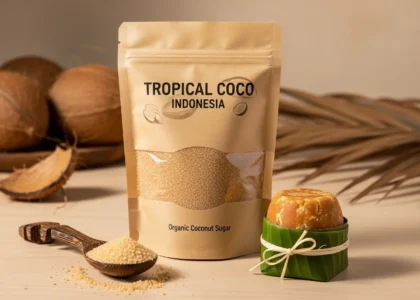
Coconut sugar is derived from the sap of coconut palm trees. The process involves collecting the sap, boiling it to evaporate moisture, and then allowing it to crystallize into granules. The result is a sweetener with a caramel-like flavor, making it a popular choice for baking and cooking.
Nutritionally, coconut sugar contains small amounts of minerals such as iron, zinc, calcium, and potassium. It also provides antioxidants and a type of fiber called inulin, which may slow glucose absorption. However, it’s important to note that these nutrients are present in minimal quantities, so coconut sugar should not be considered a significant source of vitamins or minerals.
Monk fruit sweetener is extracted from the monk fruit, a small green melon native to Southeast Asia. The sweetness comes from compounds called mogrosides, which are significantly sweeter than sugar. To produce the sweetener, the fruit is harvested, its juice is extracted, and then dried into a concentrated powder.
This sweetener is calorie-free and does not contain carbohydrates, making it an attractive option for those monitoring their caloric intake. Additionally, monk fruit sweetener has been recognized for its antioxidant properties, which may offer various health benefits.
READ MORE: Coconut Sugar vs. Brown Sugar: A Comprehensive Guide
The glycemic index (GI) measures how quickly a food raises blood sugar levels. Coconut sugar has a GI of approximately 35, which is lower than that of regular table sugar. This lower GI is attributed to the presence of inulin, a type of fiber that may slow glucose absorption. However, coconut sugar still contains fructose and glucose, meaning it can impact blood sugar levels and should be consumed in moderation.
In contrast, monk fruit sweetener has a glycemic index of zero, indicating it does not affect blood sugar levels. This makes it a suitable option for individuals with diabetes or those aiming to manage their blood sugar levels effectively.
Coconut sugar provides approximately the same number of calories per teaspoon as regular sugar, around 15 calories. While it does contain trace nutrients, its caloric content can contribute to overall energy intake, which is a consideration for those focused on weight management.
Monk fruit sweetener, being calorie-free, offers sweetness without adding to daily caloric intake. This characteristic makes it particularly appealing for individuals looking to reduce calorie consumption and manage weight more effectively.
When considering dietary restrictions and preferences, both sweeteners have their unique advantages:
Coconut sugar has a flavor profile similar to brown sugar, with rich caramel notes. This makes it a popular choice for baking, as it can enhance the taste of cookies, cakes, and other desserts.
Monk fruit sweetener is significantly sweeter than sugar, so only a small amount is needed to achieve the desired sweetness. It has a subtle, fruity taste and is heat-stable, making it suitable for cooking and baking. However, due to its intense sweetness, recipe adjustments may be necessary when substituting it for sugar.
Both sweeteners offer certain health advantages:
While both sweeteners are natural alternatives to refined sugar, there are some considerations to keep in mind:
Choosing between coconut sugar and monk fruit sweetener depends on individual health goals, dietary preferences, and taste considerations. Monk fruit sweetener offers a calorie-free, zero-GI option suitable for those managing blood sugar levels or seeking weight loss.