For many coffee lovers, sweetness is essential—yet the usual choice, refined white sugar, comes with a cost. High blood sugar spikes, an energy crash, and the lingering worry about long-term health risks have made people reconsider their daily habits. Additives in flavored syrups and chemical-laden sweeteners also raise concerns. That’s why more and more people are searching for a better way to enjoy their coffee—without compromising taste or health.
Enter coconut sugar for coffee, a natural sweetener made from the sap of coconut palm flowers. At Tropical Coco Indonesia, we’ve seen firsthand how this organic, sustainable sugar is changing the way people experience their morning brew. In this article, we’ll break down why coconut sugar might be the best switch you make for your cup of coffee. From taste and health benefits to comparisons with regular sugar, we’ve got you covered.
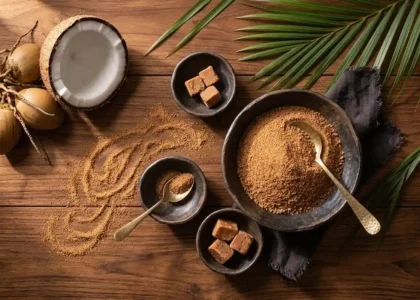
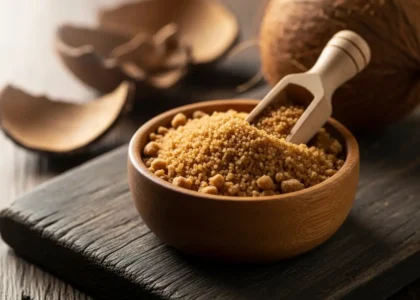
Coconut sugar is derived from the nectar of coconut palm blossoms. The liquid sap is gently heated until it crystallizes, resulting in a rich, caramel-colored sweetener. Unlike refined sugar, coconut sugar is minimally processed, retaining some nutrients from the original plant, such as iron, zinc, calcium, and potassium.
When used in coffee, coconut sugar doesn’t just sweeten—it enhances. Its deep, toffee-like flavor blends beautifully with the natural bitterness of coffee beans. The result? A more rounded, less artificial sweetness that elevates your brew without overpowering it.
Switching to coconut sugar offers both flavor and function. Here are some key benefits:
Understanding the difference between coconut sugar and regular sugar helps explain why the former is growing in popularity, especially in coffee culture.
Incorporating coconut sugar into your coffee routine is simple. Here are a few ways to do it right:
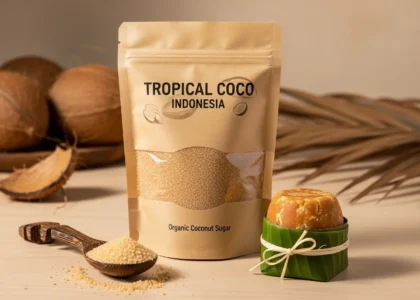
As a trusted distributor of Indonesian Organic Coconut Sugar, we’ve seen its positive impact firsthand. Our sugar is ethically sourced, sustainably produced, and certified organic. We work closely with local farmers, ensuring each batch meets global quality standards while supporting rural communities.
We believe coconut sugar isn’t just a trend—it’s a better alternative that aligns with wellness, taste, and sustainability. And for coffee? It’s a match made in brewing heaven.
For many, yes. While personal preference plays a role, coconut sugar ticks all the boxes: it’s natural, healthier than refined sugar, flavorful, and sustainable. Unlike artificial sweeteners that often leave a strange aftertaste or pose health concerns, coconut sugar offers a more holistic experience—especially when brewed with a quality cup of coffee.
If you’re looking for a sweetener that enhances your daily ritual without compromising on health or taste, coconut sugar is a standout option.
Coconut sugar for coffee is more than just a sweetener—it’s an upgrade to your daily ritual. With a lower glycemic index, a rich caramel flavor, and real nutritional benefits, it’s easy to see why more people are making the switch. At Tropical Coco Indonesia, we take pride in offering premium organic coconut sugar that transforms every cup into something healthier, tastier, and more sustainable. Ready to change your coffee game?