White sugar and coconut sugar are two popular sweeteners that often compete for space in our pantries. Many health-conscious consumers find themselves confused about which option truly delivers better nutritional value and fewer downsides. The debate between these sweeteners extends beyond simple taste preferences to important considerations about glycemic impact, nutrient content, and environmental sustainability.
In this comprehensive guide, we’ll examine the key differences between white sugar and coconut sugar across multiple dimensions. By understanding their unique properties, production methods, and health implications, you’ll be equipped to make informed choices that align with your dietary goals and preferences. Continue reading to discover which sweetener might be the better option for your specific needs.
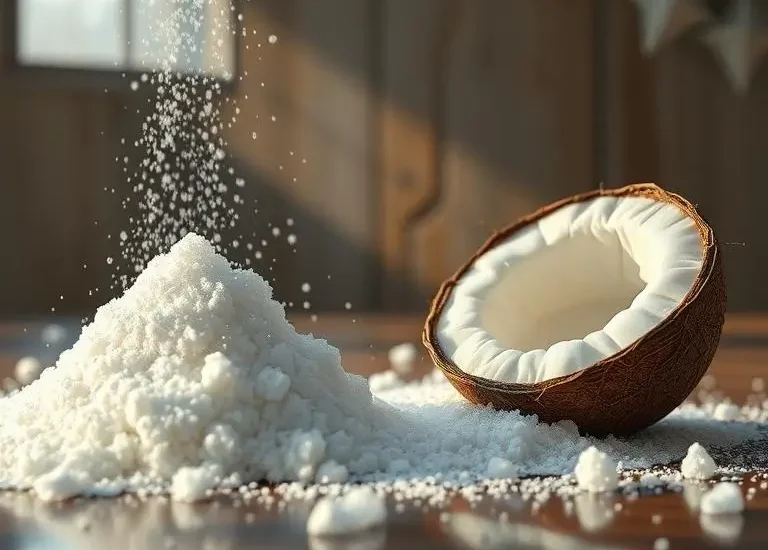
White sugar, also known as table sugar or refined sugar, is primarily derived from sugar cane or sugar beets. The production process involves multiple stages of refinement that strip away the natural molasses content and other components of the original plant material. Initially, the juice is extracted from the plant source, then purified, filtered, and crystallized to create raw sugar. This raw sugar undergoes further processing, including bleaching with chemicals like sulfur dioxide, to achieve its characteristic pristine white appearance.
The extensive refining process results in a product that is nearly 100% sucrose, a disaccharide composed of glucose and fructose molecules. This high level of refinement gives white sugar its consistent sweetness, texture, and neutral flavor profile, making it a versatile ingredient in cooking and baking. However, this same refinement process removes virtually all the vitamins, minerals, and other beneficial plant compounds that may have been present in the original plant source, resulting in what nutritionists often refer to as “empty calories.”
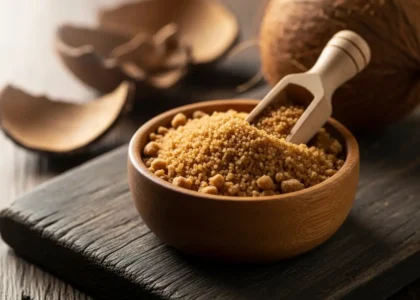
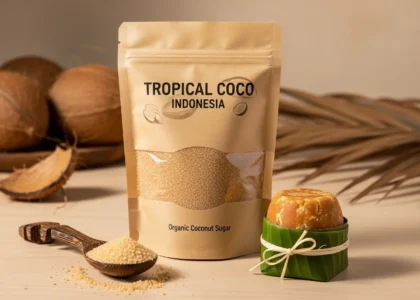
Coconut sugar, sometimes called coconut palm sugar, comes from the sap of coconut palm tree blossoms. The production process begins with harvesting the nectar from the coconut palm flower buds. Farmers make cuts into the flowering stems and collect the nutrient-rich sap that flows out. This collected liquid is then heated at low temperatures to evaporate the water content. As the water evaporates, the sap gradually thickens into a syrup and eventually crystallizes into granules resembling brown sugar.
Unlike white sugar production, coconut sugar processing is relatively simple and involves minimal refinement. The resulting product retains more of its natural components, including small amounts of nutrients and inulin, a type of dietary fiber. The less intensive processing also contributes to coconut sugar’s characteristic caramel-like flavor profile and slightly lower glycemic impact compared to white sugar. These qualities have contributed to coconut sugar’s growing popularity as an alternative sweetener, particularly among those seeking more natural food options.
White sugar offers a clean, straightforward sweetness without any competing flavors, making it highly versatile for a wide range of culinary applications. Its neutral taste profile allows other ingredients to shine through in recipes, which is why it remains the standard sweetener in most baking recipes. The consistent crystal size also contributes to predictable results in recipes that rely on specific sugar properties for texture and structure.
Coconut sugar, in contrast, possesses a distinct flavor profile with caramel and toffee-like notes and subtle hints of coconut. This richer, more complex taste can add depth to certain recipes, particularly those featuring warm spices or chocolate. When substituting coconut sugar for white sugar in recipes, it’s important to consider how its flavor might interact with other ingredients. Many bakers find that coconut sugar works exceptionally well in cookies, brownies, and spice cakes, where its caramel undertones enhance rather than compete with the overall flavor profile.
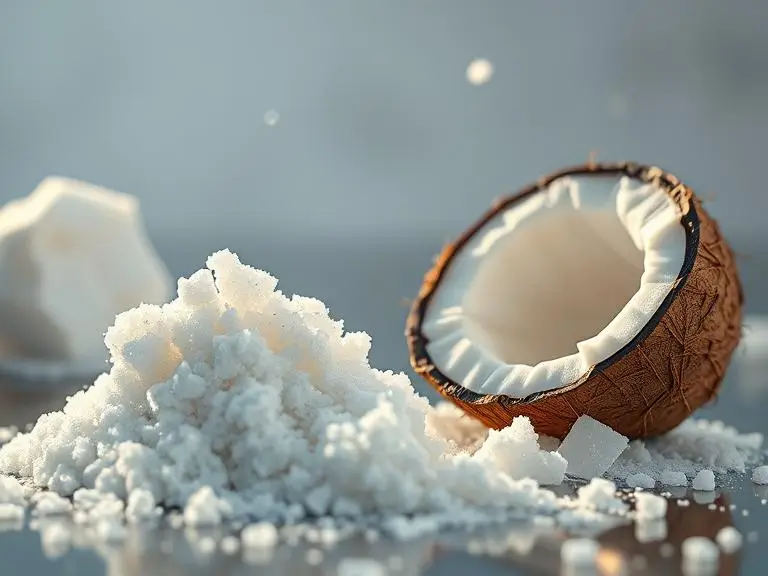
The glycemic index (GI) measures how quickly a food raises blood sugar levels compared to pure glucose, which has a GI of 100. Foods with a high GI value are rapidly digested and absorbed, causing a quick spike in blood sugar levels. White sugar has a relatively high glycemic index of approximately 65-70, meaning it can cause significant blood sugar fluctuations when consumed.
Coconut sugar boasts a lower glycemic index, typically ranging from 35-54, depending on the source and production methods. This lower GI value is partly attributed to the presence of inulin, a type of soluble fiber that slows down glucose absorption. This moderate glycemic impact makes coconut sugar a potentially better option for individuals concerned about blood sugar management, including those with diabetes or prediabetes. However, it’s worth noting that despite its lower GI value, coconut sugar still contains similar amounts of calories and carbohydrates as white sugar, so portion control remains important.
YOU MUST KNOW: Coconut Sugar vs. Cane Sugar
White sugar undergoes extensive processing that removes virtually all naturally occurring vitamins and minerals from the original plant source. The final product is essentially pure sucrose, providing calories with no significant nutritional value beyond energy. This lack of nutrients has earned white sugar its classification as a source of “empty calories” in nutritional science.
Coconut sugar retains more of its original nutrient content due to minimal processing. It contains small amounts of minerals including iron, zinc, calcium, and potassium, as well as some B vitamins. While these amounts are not substantial enough to significantly contribute to daily nutrient requirements, they do represent a marginal nutritional advantage over white sugar. Coconut sugar also contains polyphenols and antioxidants, though in relatively small quantities compared to more nutrient-dense foods like fruits and vegetables.
White sugar has long been the standard sweetener in most recipes due to its consistent performance, neutral flavor, and predictable behavior during cooking and baking. It dissolves easily, contributes to proper texture in baked goods, and helps with browning and caramelization. Many classic recipes are formulated specifically with white sugar’s properties in mind, particularly in delicate pastries where precise chemistry matters.
Coconut sugar can typically be substituted for white sugar in a 1:1 ratio in most recipes, though some adjustments may be necessary. Its slightly different moisture content and flavor profile will influence the final product. Baked goods made with coconut sugar may be slightly less sweet, darker in color, and have a subtly different texture. The caramel notes in coconut sugar pair exceptionally well with chocolate, coffee, and spice-forward recipes, making it an excellent choice for cookies, muffins, and quick breads.
White sugar production, particularly from sugarcane, has been associated with various environmental concerns. Conventional sugarcane farming often involves intensive agricultural practices, including heavy use of fertilizers, pesticides, and water resources. The processing of sugarcane into refined white sugar requires significant energy inputs and may contribute to air and water pollution. Additionally, sugarcane production has historically been linked to deforestation in certain regions and labor concerns in some producing countries.
Coconut sugar is often marketed as a more sustainable alternative, though the reality is nuanced. On the positive side, coconut palms can produce sap for coconut sugar for approximately 20 years, requiring fewer replantings and less soil disruption than annual crops. Coconut trees also require relatively less water than sugarcane and can be grown in mixed agroforestry systems that support biodiversity. However, as demand for coconut products increases globally, there are growing concerns about monocropping and the environmental impacts of expanded production.
Despite the modest nutritional advantages of coconut sugar, both white sugar and coconut sugar should be consumed mindfully as part of a balanced diet. The American Heart Association recommends limiting added sugar consumption to no more than 6 teaspoons (25 grams) daily for women and 9 teaspoons (36 grams) for men. Excessive sugar consumption from any source has been linked to various health concerns, including weight gain, increased risk of type 2 diabetes, and heart disease.
While coconut sugar’s lower glycemic index may offer some advantage for blood sugar management, it’s important to recognize that it still contributes to your overall sugar and calorie intake. Nutritionists generally recommend treating all added sugars, including supposedly “healthier” alternatives like coconut sugar, as occasional treats rather than dietary staples. For optimal health, focus on obtaining sweetness from whole foods like fruits, which provide natural sugars alongside fiber, vitamins, and minerals.
READ ALSO: Coconut Sugar vs. Brown Sugar
When comparing white sugar and coconut sugar, the differences are subtle but potentially significant depending on your specific needs and preferences. Coconut sugar offers modest nutritional advantages with its mineral content and lower glycemic impact, while white sugar provides reliability in recipes and a neutral flavor profile. From an environmental perspective, coconut sugar may have some sustainability advantages, though both sweeteners have ecological footprints worth considering.
Ultimately, the choice between white sugar and coconut sugar should be guided by your personal health goals, taste preferences, and culinary needs. Whichever sweetener you choose, the key to healthy consumption remains moderation and an understanding that all added sugars should comprise only a small part of a well-balanced diet rich in whole, nutrient-dense foods.