Coconut sugar has gained immense popularity as a natural sweetener, often touted as a healthier alternative to refined sugar. However, many consumers remain unaware of the intricate process behind its production. This lack of knowledge can lead to misconceptions about its nutritional value and sustainability. Understanding how coconut sugar is made is essential for making informed choices about the products we consume.
Fortunately, the process of making organic coconut sugar is not only fascinating but also relatively straightforward. By delving into the steps involved, we can appreciate the craftsmanship and care that goes into producing this beloved sweetener. In this article, we will explore how coconut sugar is made, from the tapping of coconut sap to the final crystallization process. Read on to uncover the sweet truth behind coconut sugar!
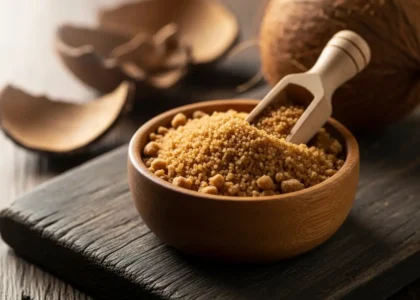
Coconut sugar is derived from the sap of the flower buds of the coconut palm tree. Unlike regular sugar, which is often processed from sugarcane or sugar beets, coconut sugar retains some of the nutrients found in the coconut tree, making it a more nutritious option. It has a lower glycemic index compared to refined sugar, which means it may have a less significant impact on blood sugar levels.
The production of coconut sugar is an ancient practice that has been used for centuries in various cultures. It is not only a sweetener but also a sustainable product that supports local farmers and communities. Understanding how coconut sugar is made can help consumers appreciate its value and make better choices for their health and the environment.

The first step in the production of coconut sugar is tapping the sap from the flower buds of the coconut palm. This process involves carefully cutting the flower buds to allow the sap to flow out. The sap is collected in containers, usually made from bamboo or other natural materials.
Tapping is typically done in the early morning or late evening when the sap is most abundant. Farmers must be skilled in this technique to ensure they do not damage the tree, allowing it to continue producing sap for many years.
Once the sap is tapped, it must be collected promptly to prevent fermentation. The sap is a sweet, watery liquid that can spoil quickly if not handled properly. Farmers often collect the sap daily, ensuring that it remains fresh for the next stage of production.
The collection process is labor-intensive and requires careful attention to detail. Farmers must monitor the sap’s quality and quantity to ensure they can produce high-quality coconut sugar.
After collection, the sap is heated to evaporate the water content. This process is crucial for transforming the sap into a syrup-like consistency. The sap is typically poured into large, shallow pans and heated over a fire or stove.
During this stage, the sap is continuously stirred to prevent burning and ensure even heating. As the water evaporates, the sap thickens and begins to caramelize, developing a rich flavor and color.
Once the sap has reached the desired consistency, it is poured into molds or containers to cool and crystallize. This process can take several hours, during which the syrup solidifies into a granulated form.
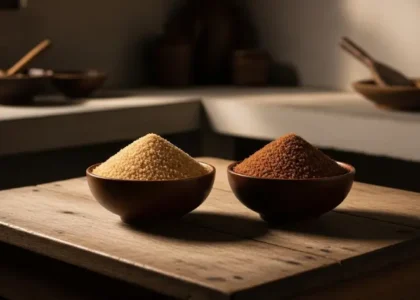
The crystallization stage is essential for achieving the characteristic texture of coconut sugar. The final product should have a fine, sandy texture that is easy to use in various recipes.
After crystallization, the solidified coconut sugar is ground into a fine powder. This step is often done using traditional stone grinders or modern machinery, depending on the scale of production.
Grinding the sugar not only improves its texture but also makes it easier to incorporate into recipes. The resulting coconut sugar can be used in baking, cooking, or as a sweetener for beverages.
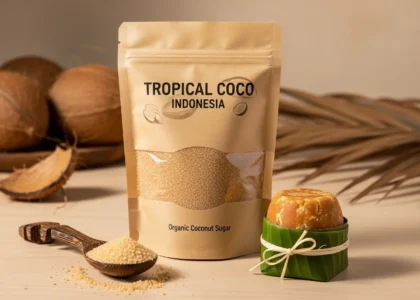
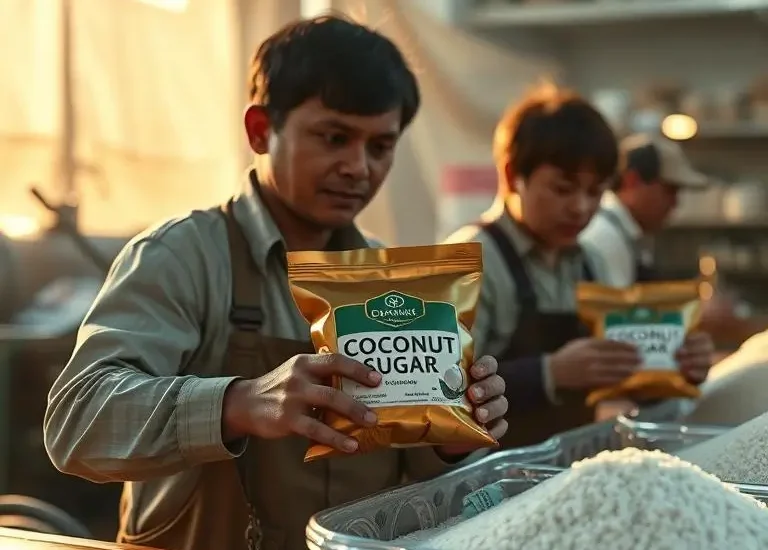
Once the coconut sugar is ground, it is packaged for sale. Packaging is an important step in the production process, as it helps preserve the sugar’s freshness and flavor.
Many producers opt for eco-friendly packaging options to align with the sustainable nature of coconut sugar production. This commitment to sustainability is a significant selling point for consumers who prioritize environmentally friendly products.
Before reaching consumers, coconut sugar undergoes quality control checks to ensure it meets safety and quality standards. This process may involve testing for contaminants and verifying the sugar’s purity.
Quality control is essential for maintaining the reputation of coconut sugar as a healthy and natural sweetener. Producers who prioritize quality can build trust with their customers and promote the benefits of their products.
Coconut sugar offers several benefits that make it an attractive alternative to refined sugar. Here are some of the key advantages:
Coconut sugar contains trace amounts of vitamins and minerals, including iron, zinc, calcium, and potassium. While it is not a significant source of these nutrients, it is a more nutritious option compared to regular sugar, which is devoid of any vitamins or minerals.
Coconut sugar has a lower glycemic index (GI) than refined sugar, which means it causes a slower rise in blood sugar levels. This can be beneficial for individuals looking to manage their blood sugar levels or those with diabetes.
The production of coconut sugar is often more sustainable than that of conventional sugar. Coconut palms require less water and can thrive in diverse climates, making them a resilient crop. Additionally, tapping coconut sap does not harm the tree, allowing it to continue producing for many years.
Coconut sugar can be used in a variety of recipes, from baking to cooking and even in beverages. Its caramel-like flavor adds depth to dishes, making it a favorite among chefs and home cooks alike.
In conclusion, understanding how coconut sugar is made provides valuable insight into this popular sweetener. From the careful tapping of coconut sap to the final crystallization process, each step plays a crucial role in producing high-quality coconut sugar. With its nutritional benefits and sustainable production methods, coconut sugar is an excellent choice for those seeking a healthier alternative to refined sugar. By choosing coconut sugar, consumers can enjoy a delicious sweetener while supporting sustainable practices and local farmers.