In a world where refined sugar is linked to numerous health issues, many people are turning to natural alternatives. One of the rising stars in the natural sweetener industry is coconut sugar. But what is coconut sugar, and why is it considered a better option than traditional white sugar?
If you’re looking for a healthier alternative to regular sugar, coconut sugar might be the answer. It is often marketed as a more nutritious and sustainable choice, but does it truly live up to the hype? In this article, we’ll uncover the essential facts about coconut sugar, its benefits, and how you can incorporate it into your diet. Keep reading to find out everything you need to know!
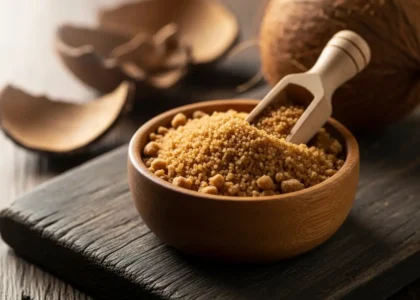
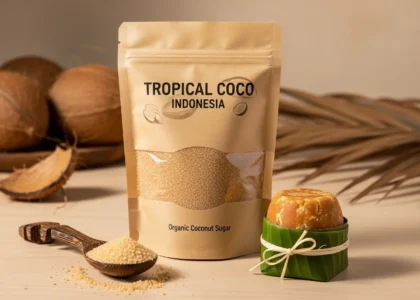
Coconut sugar is a natural sweetener derived from the sap of the coconut palm tree (Cocos nucifera). Unlike table sugar, which undergoes extensive processing, coconut sugar is minimally processed to retain its nutrients. The sap is collected, heated to remove moisture, and then crystallized into granules resembling brown sugar.
Coconut sugar has been used in Southeast Asia for centuries as a traditional sweetener. It is now gaining global recognition as a healthier substitute for refined sugar due to its lower glycemic index and additional nutrients.
The production of coconut sugar is relatively simple and involves natural methods. Here’s a quick look at the process:
This minimal processing helps preserve the natural vitamins and minerals found in the sap.
Compared to refined sugar, coconut sugar contains small amounts of nutrients that make it a slightly better choice. Some of the key nutrients include:
While coconut sugar is not a significant source of these nutrients, it is still a step up from the empty calories of refined sugar.
One of the biggest selling points of coconut sugar is its lower glycemic index (GI) compared to white sugar. The glycemic index measures how quickly a food raises blood sugar levels.
Since coconut sugar has a lower GI, it leads to a slower rise in blood sugar, which may be beneficial for people with diabetes or those watching their blood sugar levels.
Coconut sugar provides several potential health benefits when consumed in moderation:
Coconut sugar contains inulin, a type of fiber that may help slow glucose absorption and prevent blood sugar spikes.
While not a significant source of vitamins and minerals, coconut sugar does provide trace amounts of essential nutrients absent in white sugar.
Unlike refined sugar, coconut sugar undergoes minimal processing and contains no artificial chemicals or additives.
Coconut palm trees require less water and land compared to sugarcane, making coconut sugar a more sustainable sweetener option.
Coconut sugar can be used just like regular sugar in a variety of recipes. Here are some easy ways to incorporate it into your diet:
The bottom line is that coconut sugar is slightly better than white sugar because it contains more nutrients and has a lower glycemic index. However, it is still sugar and should be consumed in moderation.
If you’re looking to reduce your sugar intake, you might also consider other natural sweeteners like honey, maple syrup, or stevia for variety and additional health benefits.
Coconut sugar is a natural sweetener with some nutritional advantages over refined sugar, including a lower glycemic index and trace minerals. While it’s a better alternative, it should still be used in moderation as part of a balanced diet.
Whether you’re baking, sweetening your coffee, or making sauces, coconut sugar can be a tasty and more natural substitute for regular sugar.