

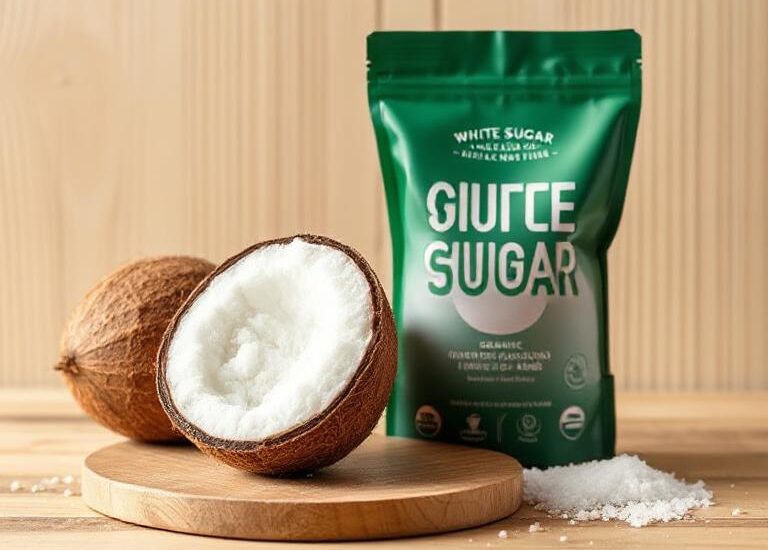
Many people today are questioning their daily sugar intake. As health awareness rises, the search for better, more natural sweeteners is growing stronger. One common question we often hear is, can coconut sugar replace white sugar? With rising concerns about blood sugar spikes, processed foods, and the long-term health impacts of refined sugar, it’s only natural that people want better options without sacrificing taste and enjoyment.
At Tropical Coco Indonesia, we believe in providing organic, natural solutions. We’re proud to offer a healthier alternative to refined sugars. In this article, we’ll dive deep into whether coconut sugar can truly replace white sugar, why it matters, and how it fits into your daily life. Keep reading to discover everything you need to know!
Yes, coconut sugar can replace white sugar in most cases! Coconut sugar is a natural sweetener derived from the sap of coconut palm trees. It offers a rich, caramel-like flavor and is much less processed than white sugar. It retains essential nutrients like iron, zinc, calcium, and potassium — elements that are stripped away in the refining process of white sugar.
Coconut sugar also has a lower glycemic index (around 35) compared to white sugar’s glycemic index of about 60–65. This means coconut sugar causes a slower rise in blood glucose levels, making it a more stable choice for those managing their sugar intake. It’s important to remember, however, that coconut sugar is still sugar and should be used mindfully.
When it comes to nutrition, coconut sugar clearly stands out compared to refined white sugar. Here’s why:
This makes coconut sugar a more natural and less harmful sweetener, especially when aiming for a more holistic diet.
Transitioning to coconut sugar in your daily routine is surprisingly easy. Here’s how you can do it:
Keep in mind that coconut sugar has a darker color and a richer flavor profile, which may slightly change the final taste and appearance of your dishes — often for the better!
Switching to coconut sugar isn’t just about avoiding refined products; it brings real advantages to your health and lifestyle:
Thanks to its lower glycemic index, coconut sugar helps minimize sudden spikes and crashes in blood sugar, making it a smarter choice for people watching their glucose levels.
Unlike the neutral sweetness of white sugar, coconut sugar provides a rich, caramel-like flavor that can enhance the taste of baked goods, beverages, and even savory dishes.
Coconut palms produce more sugar per acre than sugar cane and require less water and energy, making coconut sugar a more eco-friendly sweetener option.
While coconut sugar has many benefits, it’s still important to consume it in moderation. It remains a form of sugar, contributing calories to your diet. Here’s what to keep in mind:
Being mindful about quantity is key to enjoying coconut sugar’s benefits without any downside.
At Tropical Coco Indonesia, we take pride in offering only the finest Organic Coconut Sugar, sourced sustainably from the rich coconut groves of Indonesia. Here’s why customers trust us:
Whether you’re a home baker, a professional chef, or someone just trying to live a healthier lifestyle, our coconut sugar is a perfect choice to support your journey.
In answering the question, can coconut sugar replace white sugar? — absolutely yes! Coconut sugar is a healthier, more natural alternative that offers nutritional benefits, a lower glycemic impact, and a richer flavor. However, just like any sweetener, it’s best used in moderation. At Tropical Coco Indonesia, we are committed to bringing you the purest, highest-quality Organic Coconut Sugar to help you live healthier and enjoy life’s sweet moments naturally.





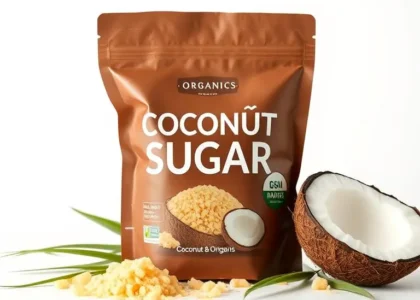
It’s great to see a natural alternative like coconut sugar being highlighted! It’s interesting how it offers a lower glycemic index than regular sugar, which can be a game-changer for people trying to manage their blood sugar levels.