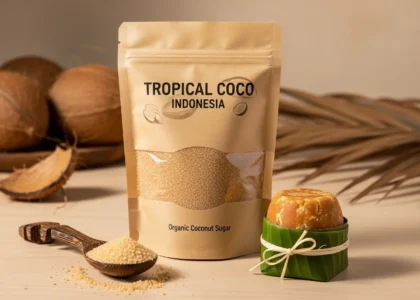
As a loving pet owner, you likely pay close attention to what you eat, often choosing healthier, natural alternatives to processed foods. This mindfulness can easily extend to your canine companion. When you are baking or sweetening your coffee with coconut sugar, a popular “healthy” alternative to refined white sugar, you might wonder if it’s safe to share a small taste with your furry friend.
The question, “Can dogs eat coconut sugar?” is a valid one, especially with so much information about toxic human foods for pets. While coconut sugar is not poisonous to dogs in the way that ingredients like chocolate or xylitol are, the answer isn’t a simple yes.
Giving your dog any kind of sugar, even a more natural one, requires a deeper understanding of its effects on their health.
First, it’s helpful to understand what coconut sugar is. It is not derived from the coconut fruit itself, but from the sap of the flower buds of the coconut palm tree. This sap is heated until most of the water has evaporated, leaving behind brown granules.
Compared to standard table sugar, coconut sugar undergoes less processing and retains some of the nutrients found in the coconut palm. These include minerals like iron, zinc, calcium, and potassium, along with some antioxidants.
It also contains a fiber called inulin, which may slow glucose absorption, giving it a slightly lower glycemic index than regular sugar. It’s for these reasons that it has gained popularity in human health circles.
Technically, yes, coconut sugar is safe for dogs in the sense that it is not toxic. If your dog snatches a tiny crumb of a cookie baked with coconut sugar off the floor, you do not need to panic. The most important safety factor is that it does not contain xylitol, an artificial sweetener that is extremely dangerous and potentially fatal for dogs.
However, just because it is not toxic does not mean it is good for them or that you should add it to their diet. The potential health risks associated with feeding your dog any kind of sugar far outweigh the minimal nutritional benefits that coconut sugar might offer.
Your dog’s dietary needs are very different from your own. While you might benefit from swapping table sugar for coconut sugar, your dog’s system is not designed to process sugars effectively. Here are the primary reasons to keep it away from your pet.
Sugar, in any form, is a source of “empty calories.” It provides energy but very few essential nutrients. Consistent consumption of extra calories can easily lead to weight gain.
Canine obesity is a serious health issue that puts stress on your dog’s joints, can worsen conditions like arthritis, and increases their risk for heart disease and breathing difficulties.
Just like in humans, sugar is a primary culprit for poor dental health in dogs.
The bacteria in your dog’s mouth feed on sugar, producing acid that erodes tooth enamel. This can lead to cavities, painful gum disease, and even tooth loss.
Maintaining your dog’s dental health is crucial for their overall well-being, and adding sugar to their diet works directly against that.
A dog’s digestive system is finely tuned for a diet rich in protein and fat. Introducing a new, sugary ingredient can easily throw their system out of balance.
This can result in unpleasant digestive issues, including stomach pain, diarrhea, and vomiting, as their body struggles to process the sudden influx of sugar.
Over time, a high-sugar diet can contribute to more severe and chronic health problems. The pancreas has to work overtime to produce insulin to manage blood sugar levels.
This constant strain can lead to inflammation, known as pancreatitis, a painful and serious condition.
Furthermore, it can increase the risk of your dog developing canine diabetes, a lifelong condition that requires careful management, including daily insulin injections.
If your dog consumes a very small amount of coconut sugar, they will likely be fine. The key is to stay calm and monitor them. Watch for any signs of digestive upset like vomiting or diarrhea.
However, if your dog eats a significant quantity of a food containing coconut sugar (for example, half a bag of cookies), you should contact your veterinarian for advice. While the sugar itself isn’t toxic, the high dose can cause severe gastrointestinal distress. It’s also crucial to ensure the food did not contain other, more dangerous ingredients like raisins, macadamia nuts, or the aforementioned xylitol.
Instead of looking for a “safe” sugar to share, consider offering your dog treats that are genuinely healthy and beneficial. Many fruits and vegetables are naturally sweet and packed with vitamins, fiber, and hydration.
Excellent options include:
These natural foods provide the sweetness your dog might enjoy without the empty calories and health risks associated with processed sugars.
In conclusion, while coconut sugar is not toxic to your dog, it is not a recommended part of their diet. It offers no real health benefits for them and introduces risks of obesity, dental decay, and serious long-term diseases like pancreatitis and diabetes.
The best diet for your dog is one that is specifically formulated for their nutritional needs. When you want to give a special treat, always opt for a safe, natural, and truly healthy option that will contribute to their long and happy life.